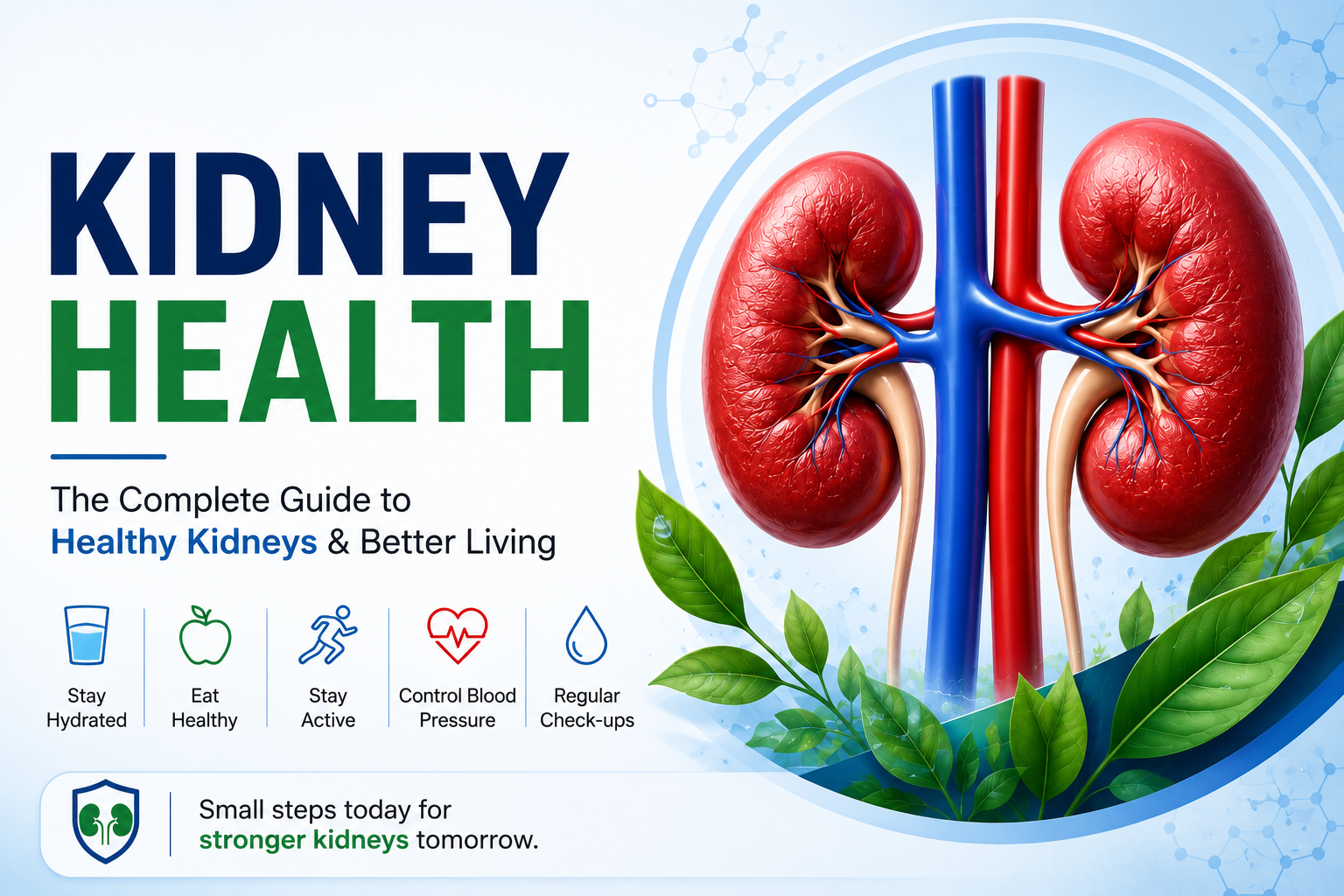
The Complete Guide to Keeping Your Kidneys Healthy
Medical Disclaimer: This article is for informational purposes only and is not a substitute for professional medical advice, diagnosis, or treatment. Always consult with a qualified healthcare provider for personalized recommendations.
What Are Kidneys?
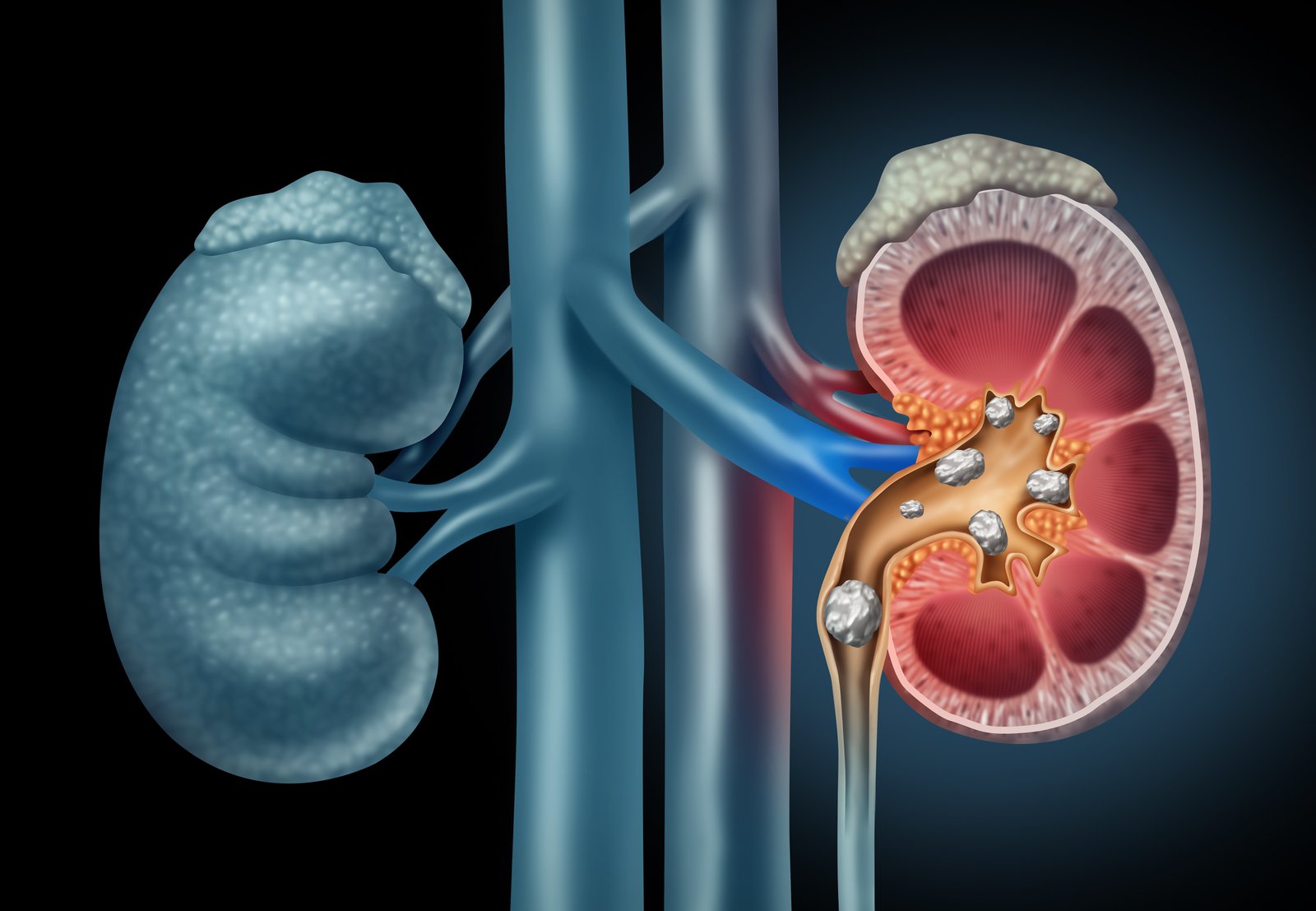
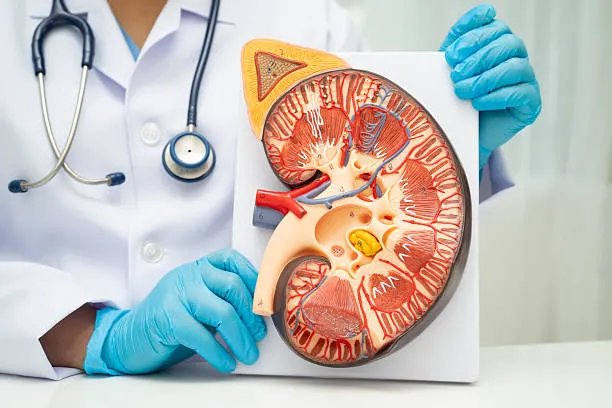
The kidneys are two bean-shaped organs located on either side of your spine, just below your rib cage. Each kidney is approximately the size of your fist.
Healthy kidneys filter around 180 liters of blood every day, removing toxins while retaining essential nutrients.
Functions of Healthy Kidneys
Healthy kidneys perform several important functions:
- Remove waste products from the blood
- Balance body fluids
- Control blood pressure
- Maintain electrolyte balance
- Produce hormones that stimulate red blood cell production
- Keep bones healthy by activating Vitamin D
- Regulate acid-base balance
Without healthy kidneys, waste products accumulate in the body and can become life-threatening.
Why Kidney Health Matters
Millions of people worldwide suffer from Chronic Kidney Disease (CKD), and many don't know they have it.
Kidney disease can lead to:
- High blood pressure
- Heart disease
- Anemia
- Weak bones
- Fluid retention
- Kidney failure
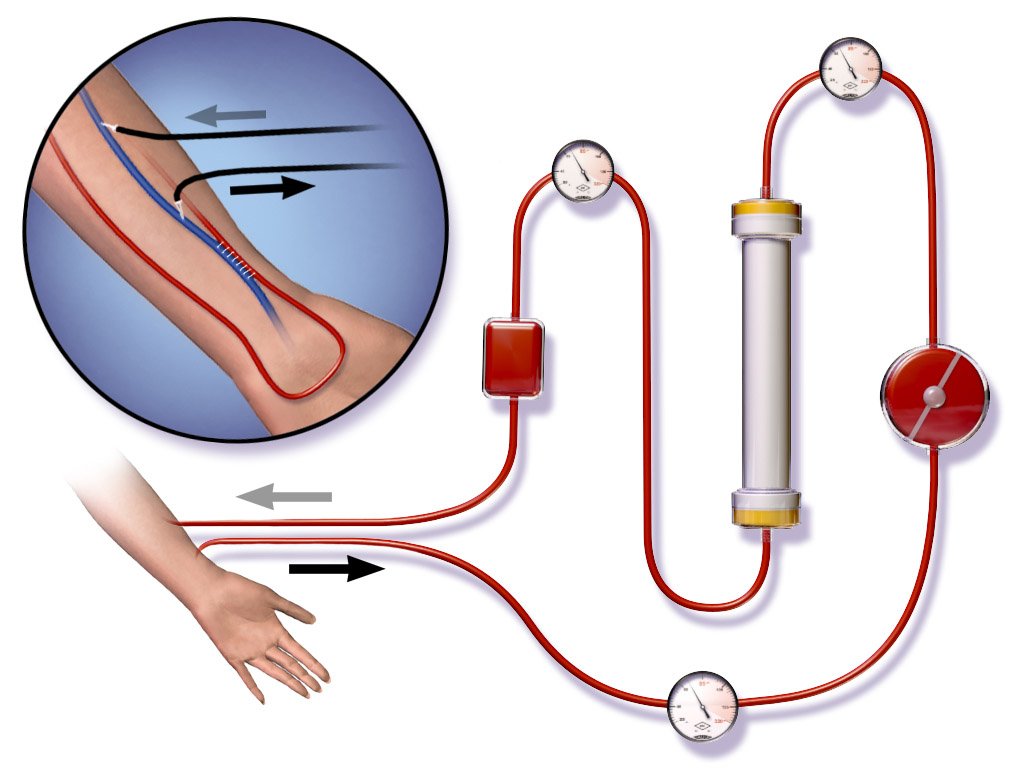
- Dialysis
- Kidney transplantation
The good news is that most kidney diseases can be prevented or slowed through early detection and lifestyle changes.
Common Causes of Kidney Disease
1. Diabetes
High blood sugar damages the tiny blood vessels inside the kidneys.
2. High Blood Pressure
Uncontrolled blood pressure weakens kidney blood vessels over time.
3. Obesity
Excess weight increases the risk of diabetes and hypertension.
4. Smoking
Smoking reduces blood flow to the kidneys and accelerates kidney damage.
5. Frequent Painkiller Use
Long-term use of NSAIDs like ibuprofen and diclofenac can damage the kidneys.
6. Family History
People with relatives who have kidney disease have a higher risk.
7. Kidney Stones
Repeated kidney stones may lead to kidney damage.
Early Warning Signs of Kidney Disease
Kidney disease often develops silently.
Watch for:
- Swelling in feet or ankles
- Puffiness around the eyes
- Blood in urine
- Foamy urine
- Frequent urination at night
- Fatigue
- Loss of appetite
- Persistent itching
- Muscle cramps
- Difficulty concentrating
Consult a nephrologist if these symptoms persist.
How to Keep Your Kidneys Healthy
Drink Enough Water
Water helps flush toxins and supports kidney function.
General recommendation:
- 2âÂÂ3 liters daily (unless your doctor advises fluid restriction)
Control Blood Sugar
If you have diabetes:
- Monitor blood sugar regularly
- Take medications as prescribed
- Follow a diabetic diet
- Exercise regularly
Maintain Healthy Blood Pressure
Aim for:
Below 130/80 mmHg (for many kidney patients, as advised by their doctor)
Eat a Kidney-Friendly Diet
Choose:
- Fresh fruits
- Vegetables
- Whole grains
- Low-fat dairy
- Lean protein
- Healthy fats
Limit:
- Salt
- Sugary drinks
- Processed foods
- Fast food
- Packaged snacks
Exercise Regularly
Aim for at least:
- 30 minutes
- 5 days a week
Activities include:
- Walking
- Cycling
- Swimming
- Yoga
Avoid Smoking
Smoking significantly increases the risk of kidney failure and cardiovascular disease.
Limit Alcohol
Excessive alcohol can raise blood pressure and damage kidneys.
Drink only in moderation or avoid it altogether.
Avoid Self-Medication
Do not frequently take:
- Painkillers
- Herbal supplements
- Unprescribed antibiotics
Always consult your doctor.
Foods That Support Kidney Health
Good choices include:
- Apples
- Berries
- Cabbage
- Cauliflower
- Garlic
- Onions
- Olive oil
- Egg whites
- Fish (in moderation)
- Red bell peppers
Foods to Limit
If you have kidney disease, your doctor may recommend limiting:
- Sodium
- Potassium
- Phosphorus
- Processed meat
- Instant noodles
- Soft drinks
- Packaged foods
Dietary restrictions should always be individualized by a nephrologist or renal dietitian.
Who Should Get Kidney Tests?
Regular kidney screening is recommended for people with:
- Diabetes
- High blood pressure
- Heart disease
- Obesity
- Family history of kidney disease
- Age over 60 years
- Recurrent kidney stones
Kidney Health Tests
Common investigations include:
- Serum Creatinine
- eGFR
- Urine Routine Examination
- Urine Albumin
- Urine Protein-Creatinine Ratio (UPCR)
- Blood Urea
- Electrolytes
- Kidney Ultrasound
- Blood Pressure Measurement
Myths About Kidney Health
Myth: Drinking lots of water cures kidney disease.
Fact: Water supports kidney function but cannot cure kidney disease.
Myth: Kidney disease always causes pain.
Fact: Early kidney disease usually has no symptoms.
Myth: Herbal medicines are always safe.
Fact: Some herbal supplements may harm the kidneys.
Myth: Only elderly people develop kidney disease.
Fact: Kidney disease can affect people of all ages.
When Should You See a Nephrologist?
Consult a nephrologist if you have:
- Persistent swelling
- High creatinine
- Protein in urine
- Blood in urine
- Recurrent kidney stones
- Difficult-to-control blood pressure
- Diabetes with kidney problems
- Declining kidney function
Early consultation can help preserve kidney function and delay disease progression.
Frequently Asked Questions (FAQs)
Can kidney disease be prevented?
Many cases can be prevented by controlling diabetes, managing blood pressure, maintaining a healthy weight, staying active, and avoiding unnecessary painkillers.
How much water should I drink?
Fluid needs vary based on your age, health, climate, and kidney function. People with advanced kidney disease may need fluid restriction. Follow your doctor's advice.
Which vitamin is good for kidneys?
There is no single vitamin that keeps kidneys healthy. A balanced diet is best, and supplements should only be taken if recommended by a healthcare professional.
Is kidney disease reversible?
Some acute kidney problems can improve with treatment, while chronic kidney disease (CKD) is usually not reversible. However, early diagnosis and proper management can slow its progression.
Can exercise improve kidney health?
Yes. Regular physical activity helps control blood pressure, blood sugar, and body weight, all of which support kidney health.
Conclusion
Healthy kidneys are essential for overall well-being. By adopting healthy lifestyle habits, controlling chronic conditions such as diabetes and hypertension, staying hydrated, eating a balanced diet, and undergoing regular kidney check-ups, you can significantly reduce your risk of kidney disease.
Remember, kidney disease often progresses without symptoms. Early detection through simple blood and urine tests can make a meaningful difference in preserving kidney function.
Dr. Rajesh Goel
Senior Nephrologist & Kidney Transplant Specialist | 20+ Years Experience
DM Nephrology | Kidney Care Centre, New Delhi