10 Early Signs of Kidney Disease You Shouldn't Ignore
Medical Disclaimer: This article is for informational purposes only and is not a substitute for professional medical advice, diagnosis, or treatment. Always consult with a qualified healthcare provider for personalized recommendations.
Kidney disease is often called a "silent disease" because it can progress without noticeable symptoms until significant damage has occurred. According to the National Kidney Foundation, approximately 37 million Americans have chronic kidney disease, and many don't even know it.
Dr. Rajesh Goel, a senior nephrologist in Delhi with over 20 years of experience, emphasizes that early detection is the key to preventing kidney failure.
1. Changes in Urination Patterns
One of the earliest and most noticeable signs of kidney disease is changes in how often you urinate:
- Increased frequency — especially at night (nocturia)
- Decreased urine output — if you're urinating significantly less than usual
- Foamy or bubbly urine — excess protein in urine creates a frothy appearance
- Dark-colored urine — deep amber or tea-colored urine can indicate dehydration or blood
2. Swelling (Edema)
When kidneys don't remove excess fluid properly, it accumulates in body tissues. Common areas include legs, ankles, feet, hands, and face.
3. Persistent Fatigue and Weakness
Damaged kidneys produce less erythropoietin (EPO), leading to anemia and persistent tiredness.
4. Skin Changes
Dry, itchy skin can be a sign of kidney disease due to waste buildup and mineral imbalances.
5. Nausea and Loss of Appetite
Toxin buildup in the blood can cause nausea, vomiting, and loss of appetite.
6. Muscle Cramps
Electrolyte imbalances from kidney dysfunction can cause frequent muscle cramps.
7. Difficulty Sleeping
Kidney disease can disrupt sleep patterns through restless legs syndrome and sleep apnea.
8. Shortness of Breath
Fluid buildup in the lungs due to kidney failure can cause breathing difficulties.
9. High Blood Pressure
Hypertension is both a cause and a symptom of kidney disease.
10. Blood in Urine
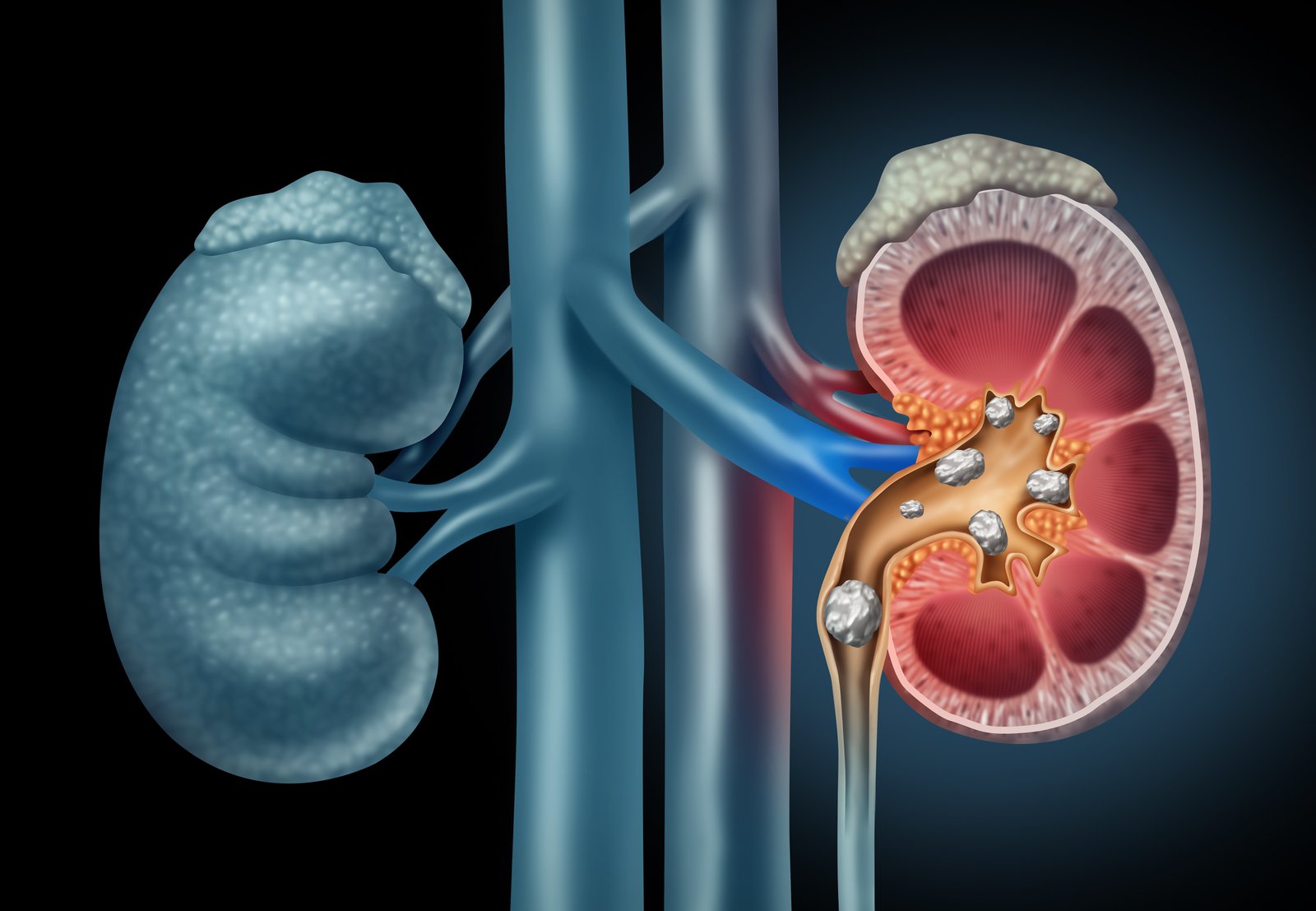
Hematuria (blood in urine) can indicate kidney stones, infections, or kidney disease.
If you experience any of these symptoms, consult Dr. Rajesh Goel for a comprehensive kidney evaluation.
Dr. Rajesh Goel
Senior Nephrologist & Kidney Transplant Specialist | 20+ Years Experience
DM Nephrology | Kidney Care Centre, New Delhi